Worship,
Anchored
in Truth
and encourage one another in steadfast faith and fellowship.
Anchored in Truth
Faith,
Preserving
Tradition
committed to guiding our community in faithfulness,
service, and spiritual maturity
Preserving Tradition
Scripture,
Grounded
in Christ
and a life that reflects His holiness and redeeming love.
Grounded in Christ

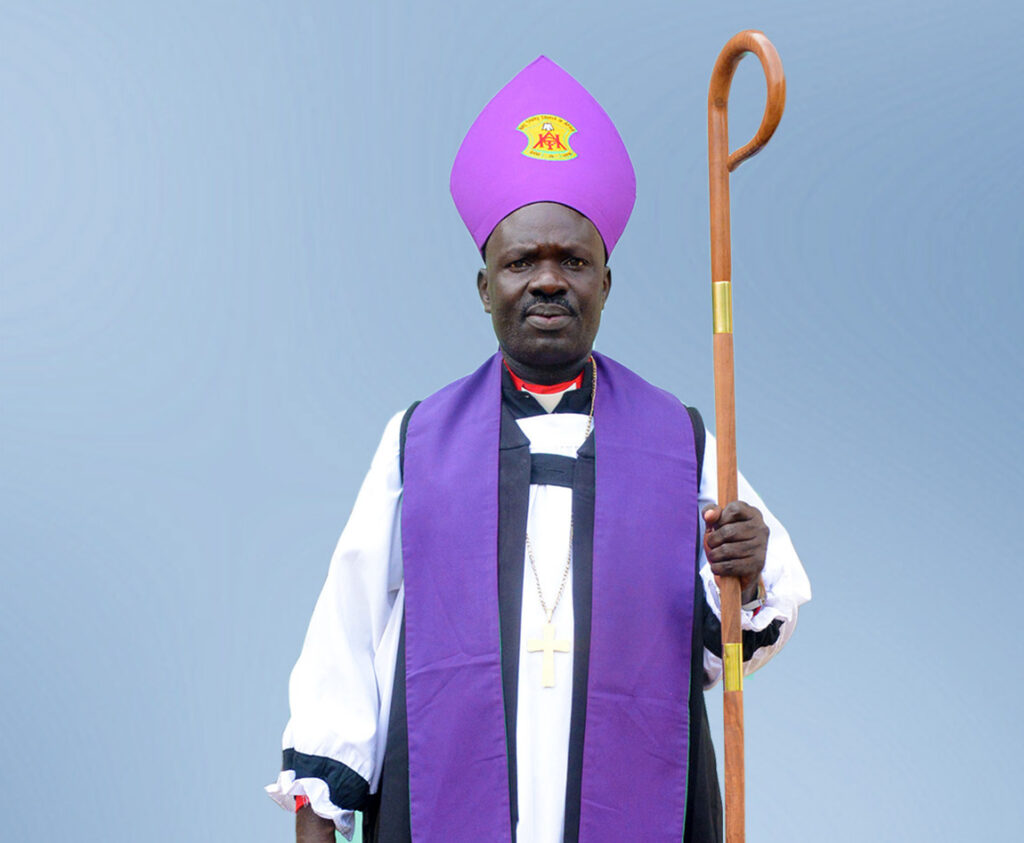
Message from THE ARCHBISHOP
Most Rev. Elisha Ako.
Dear Beloved Brethren,
I wish to welcome you to the official website of Holy Trinity Church in Africa (HTCA). This year HTCA marks and celebrated her 67th anniversary. I want to reiterate our belief in the value and dignity of humanity, as espoused in our church’s constitution.
On behalf of HTCA, i want to thank the ICT and Media teams that have made this work possible, under the leadership of Archdiocesan Education Board. The website will be progressively updated with live and latest development issues of our church, making us meet the objective of utilizing the digital space to reach our people and the larger Christian community.
Welcome.

Our Community
We promote and maintain spiritual life of Christians, to enable them be rooted in faith and knowledge using both the Old and New Testament.
01
Leadership
We are guided by faithful leaders who uphold Scripture and the vision of our founders. Through prayer and humble service, they shepherd the Church in unity and truth.
02
Community
We are a family of believers rooted in love, faith, and service. Together, we reflect Christ’s compassion and uphold Godly values in our daily lives.
03
Fellowship
We gather in worship and mutual encouragement, growing together in grace and truth. Our fellowship strengthens unity and renews our devotion to God.
OUR HISTORY
History of Holy Trinity Church in Africa (HTCA)
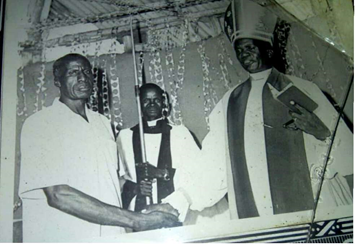
The Holy Trinity Church in Africa (HTCA) is an African Indigenous Church that teed off from the Church of Christ in Africa (CCA) in 1965. It has its headquarters in Kisumu. The Church of Christ in Africa broke away from the Anglican Church in 1957, after a long struggle over theological and administrative issues, aggravated by a radicalized revivalism movement.
The revivalism movement had started in Rwanda in 1948, and its wave spread very fast within the Eastern Africa countries that challenged the way Christian faith was packaged by the Church Missionary Society (Anglican Church).